


Understanding Composite Testing
Composite testing is a critical process used across industries like aerospace, automotive, construction, and renewable energy to ensure the durability and reliability of composite materials. These materials—such as carbon fiber-reinforced plastics or fiberglass composites—are engineered for strength, lightweight properties, and resistance to environmental stress. As industries increasingly rely on composites for performance and efficiency, comprehensive testing becomes essential to guarantee product safety, compliance with standards, and long-term performance.
Unlike traditional materials such as steel or aluminum, composites exhibit unique behaviors under stress, heat, and repeated loads. This makes specialized testing methods crucial to identify weaknesses before products reach the market. In this article, we’ll explore what composite testing involves, why it matters, key testing methods, and best practices to help manufacturers and engineers achieve optimal results.
What Is Composite Testing and Why It Matters
Composite testing refers to the evaluation of mechanical, chemical, and environmental properties of composite materials. It involves simulating real-world conditions—such as extreme temperatures, vibration, and moisture exposure—to determine how the material will perform over time. The primary goal is to ensure that the composite meets performance standards while maintaining safety and durability.
Key Reasons Composite Testing Is Essential:
- Quality Assurance:Testing verifies that composites meet required specifications for strength, weight, and chemical stability.
- Safety Compliance:Industries like aerospace and automotive must meet strict international regulations to ensure passenger safety.
- Cost Efficiency:Early detection of material flaws reduces production waste and expensive recalls.
- Innovation Support:Testing helps researchers develop advanced composites with improved strength-to-weight ratios.
Without rigorous testing, products made with composites risk premature failure, leading to potential accidents, warranty claims, and reputational damage.
Common Methods of Composite Testing
Composite testing employs a variety of methods depending on the application and required standards. Each method provides insights into different material characteristics.
1. Mechanical Testing
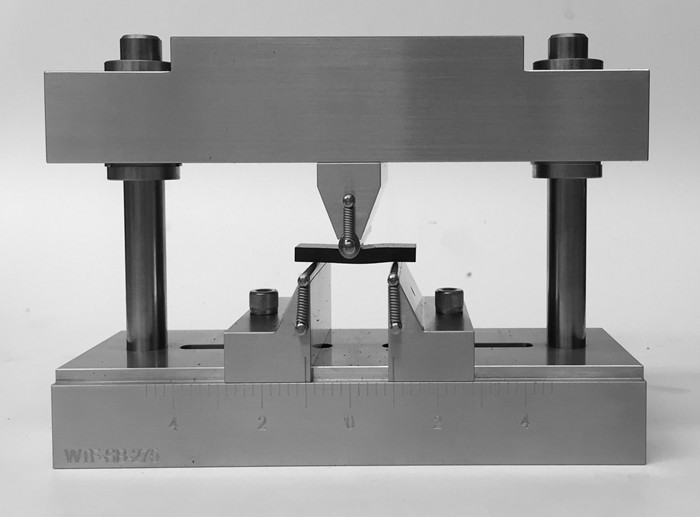
Mechanical tests measure the strength, stiffness, and elasticity of composites. Techniques such as tensile testing, compression testing, and flexural testing help engineers understand how the material responds to different forces.
2. Thermal Testing
Composites often operate in environments with fluctuating temperatures. Thermal analysis examines how heat affects material properties, including expansion, conductivity, and resistance to extreme conditions.
3. Environmental and Aging Tests
Environmental testing exposes composites to humidity, UV radiation, salt spray, or chemical exposure to simulate long-term performance and predict how the material will age.
4. Non-Destructive Testing (NDT)
NDT methods such as ultrasonic scanning, X-ray imaging, and infrared thermography allow inspection of internal defects without damaging the material. This is especially valuable in aerospace and construction applications where structural integrity is critical.
Benefits of Composite Testing for Modern Manufacturing
Composite testing offers multiple advantages beyond compliance and quality control.
- Improved Product Longevity:Early detection of weaknesses ensures the final product remains reliable for years.
- Reduced Maintenance Costs:High-quality composites require less frequent repairs and replacements.
- Enhanced Design Optimization:Accurate testing data allows engineers to refine product designs for better performance and cost-effectiveness.
- Market Competitiveness:Companies that prioritize testing can confidently market their products as durable and safe, giving them an edge in a crowded market.
Manufacturers who invest in thorough testing can build trust with clients and regulatory bodies, positioning their brand as a leader in innovation and reliability.
Best Practices for Effective Composite Testing
To maximize results, industries must follow a strategic approach to composite testing:
- Define Clear Objectives:Identify performance goals—such as impact resistance or weight limitations—before testing begins.
- Use Industry Standards:Follow internationally recognized guidelines like ASTM or ISO to ensure consistent and credible results.
- Integrate Testing Early:Include testing during the design and prototyping stages to catch issues before mass production.
- Leverage Advanced Technology:Utilize cutting-edge NDT tools and real-time monitoring to gain deeper insights.
- Collaborate with Experts:Partner with certified testing laboratories to ensure accuracy and compliance.
Implementing these practices not only guarantees better outcomes but also helps reduce costs and speed up time-to-market.
Future Trends in Composite Testing
As technology advances, composite testing continues to evolve. Automation and AI-driven analysis are becoming more prevalent, allowing faster detection of flaws with greater precision. Additionally, sustainable testing practices—such as minimizing waste and using recyclable composites—are gaining attention as industries aim for greener manufacturing solutions.
Conclusion
Composite testing is no longer optional—it is a vital component of modern manufacturing and engineering. From aerospace to renewable energy, industries depend on robust testing methods to ensure composite materials meet stringent performance and safety standards. By embracing best practices and staying ahead of emerging trends, businesses can create stronger, more reliable, and more sustainable products.
Whether you are an engineer, manufacturer, or researcher, investing in thorough composite testing safeguards your projects, protects end-users, and drives innovation in an increasingly competitive market.
